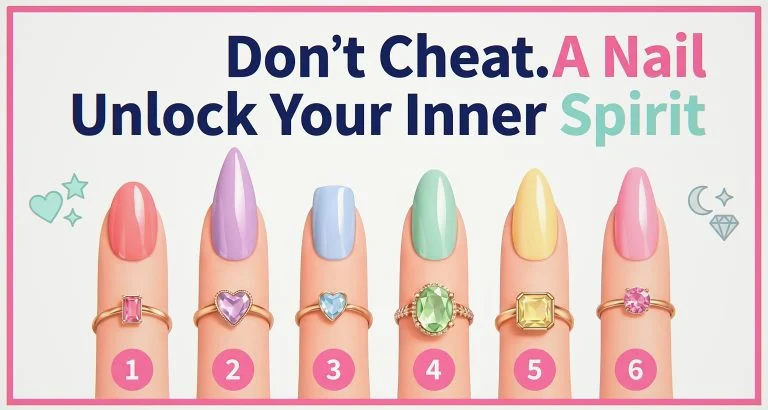
Because the profiles in these quizzes are written to be broadly relatable, a wide range of readers can find something that resonates. That sense of recognition is precisely what drives people to share results with friends and compare notes — fueling the quiz’s spread online.
The appeal is also practical: the tests are quick, visual, and require no prior knowledge. They offer a low-stakes moment of self-reflection that can easily become a social activity.
What is the Barnum Effect?
The Barnum Effect — also known as the Forer Effect — describes the tendency for individuals to accept vague, flattering personality descriptions as highly personal and accurate. Psychologists use it to explain the widespread appeal of horoscopes, personality quizzes, and similar content. The effect was named after showman P.T. Barnum, known for his broad audience appeal.
Entertainment, not diagnosis: how to approach viral personality tests
The ring test’s creators and commentators are consistent on one point: this is lighthearted content, not a professional psychological evaluation. Human personality is far too complex to be captured by a single aesthetic preference.
What these quizzes do offer is a starting point for conversation and a low-pressure way to think about how we see ourselves. Whether the chosen ring points to leadership, creativity, loyalty, compassion, or ambition, the descriptions are best read as prompts for reflection rather than definitive verdicts.
The Barnum Effect may explain the feeling of accuracy — but it does not diminish the enjoyment. For millions of people, the real reward is the discussion the quiz creates, not the label it assigns.