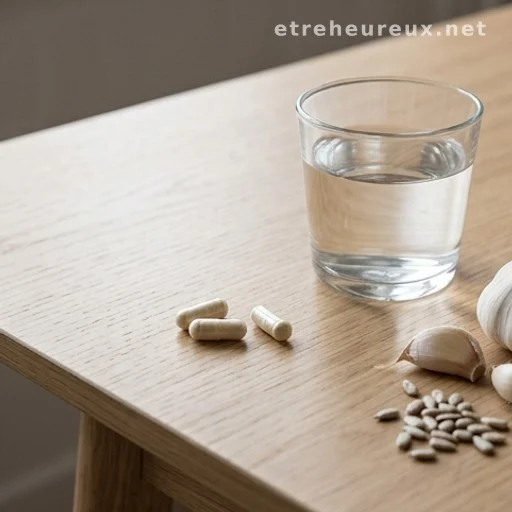
For supplementation, allithiamine at 50 mg daily is presented as a natural fat-soluble option, while benfotiamine at 300 mg twice daily is suggested specifically for nerve-related problems. Both are described as better absorbed than synthetic alternatives. Labels should be checked carefully: thiamine mononitrate and thiamine hydrochloride — the forms most commonly found in fortified foods and cheaper supplements — are flagged as potentially produced using harsh chemicals such as ammonia or acetone, and are not recommended for long-term use.
Cutting back on thiamine-draining habits is equally important. Limiting alcohol, refined sugar, and white flour products helps preserve reserves. Swapping white rice for wild rice, quinoa, or cauliflower rice is specifically recommended, since processed rice is said to consume stored thiamine during digestion. Supporting gut health through fermented foods — sauerkraut, kimchi, kefir, miso, and tempeh — and fiber-rich vegetables helps maintain the intestinal bacteria that naturally produce small amounts of B1.
No large-scale clinical guidelines are cited in the available material, and the preliminary nature of the research linking thiamine to Alzheimer’s disease means further studies will be needed before firm conclusions can be drawn. For individuals with diabetes — identified as a high-risk group — the question of whether routine thiamine screening should become standard practice remains open. The growing body of research into fat-soluble thiamine forms such as benfotiamine may also prompt updated recommendations on supplementation in the coming years.