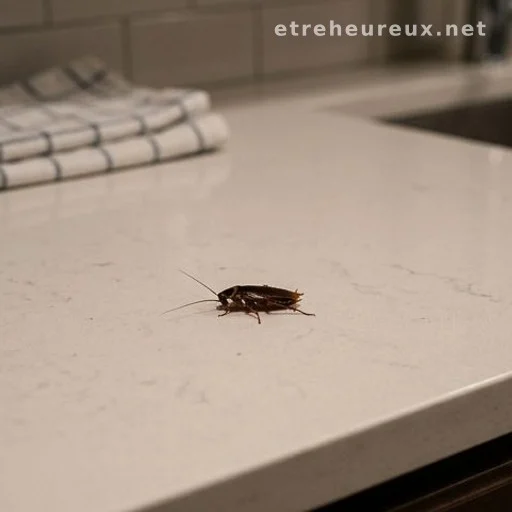
Cockroaches do not appear randomly. They are drawn by specific environmental signals, and understanding those signals is the most effective way to address the problem without unnecessary alarm.
Why cockroaches are so hard to dislodge
Cockroaches are among the most adaptable insects on the planet, capable of surviving on minimal resources for extended periods. Their persistence in homes is driven by biology, not by the habits of any particular household. Addressing the environmental conditions they rely on — rather than reacting with shame — is consistently described as the most effective long-term strategy.
Food scraps and unsealed pantry items: the first attractant
Cockroaches are drawn to even microscopic crumbs. Sticky residue behind the stove, unsealed dry goods in the pantry, or a pet food bowl left out overnight are all sufficient to attract and retain them.
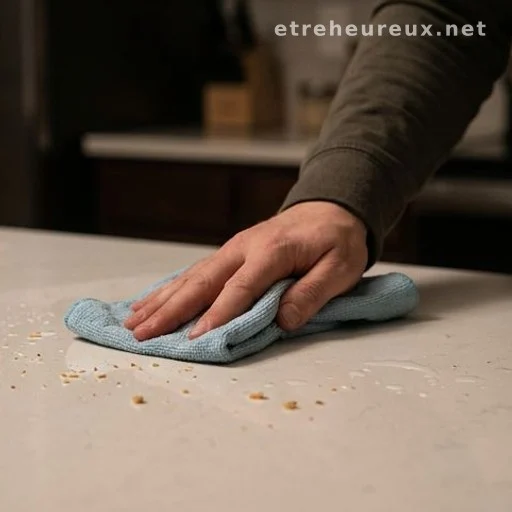
The recommended response is straightforward: wipe down counters and sweep the floor as a nightly routine. Dry goods should be transferred into airtight glass or hard plastic containers to eliminate accessible food sources.
Moisture and water: the second signal cockroaches follow
Water is the second key resource cockroaches seek. Dripping taps, damp areas under the sink, or standing water in trays and dishes provide exactly the moisture they need to survive.
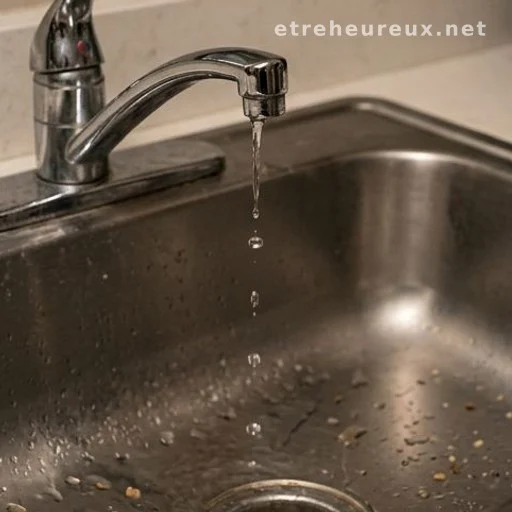
Addressing leaks promptly and keeping surfaces dry — particularly in kitchens and bathrooms — removes one of the core reasons cockroaches choose to stay.