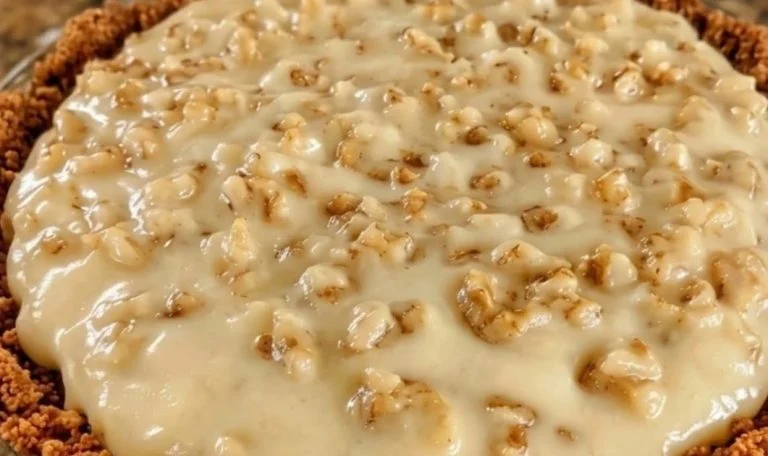

The custard base combines six large eggs, 1 cup of half-and-half and ½ cup of plain Greek yogurt. The dairy blend replaces the heavy cream found in traditional versions. For the filling, 1½ cups of Gruyère — grated from a block — and six slices of thick-cut bacon, cooked crisp and crumbled, complete the five core components.
One instruction is stated emphatically: do not use pre-shredded bagged cheese. According to the recipe, the cellulose coating applied to packaged shredded cheese prevents it from melting into a cohesive, even layer inside the quiche.
Blind baking at 350°F: the science behind a smooth, sliceable custard
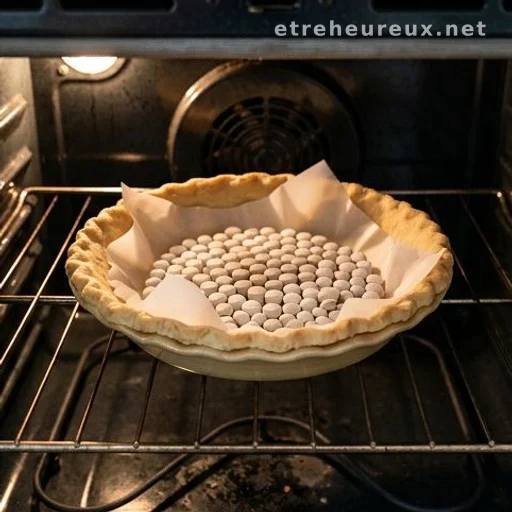
The recipe identifies blind baking as the critical first step. Pre-baking the empty crust creates what the recipe describes as a moisture barrier, stopping the wet egg custard from saturating the pastry and producing a soggy base.
Once filled, the quiche bakes at a steady 350°F. At this moderate temperature, egg proteins coagulate slowly and evenly — a process the recipe credits for the custard’s smooth, velvety texture and its ability to hold a clean slice without curdling or releasing liquid.
The combination of these two techniques — a pre-baked shell and a controlled baking temperature — is presented as the reason the recipe can achieve what the author calls a gourmet, artisanal French bistro result without complex preparation.
A French classic adapted for the home kitchen
Quiche Lorraine originates from the Lorraine region of northeastern France and is traditionally made with eggs, cream, and smoked bacon or lardons in a shortcrust pastry shell. Home adaptations have long experimented with the dairy component — swapping heavy cream for lighter alternatives — to adjust richness and nutritional profile while preserving the custard’s characteristic texture.