
Farmhouse roots: why Midwestern and Amish builders left nothing to chance
The practical logic behind both ledge types is rooted in a design philosophy the article traces to Midwestern and Amish-inspired farmhouse architecture. In that tradition, the premise was simple: not a single inch of a house was built without a clear, functional reason.
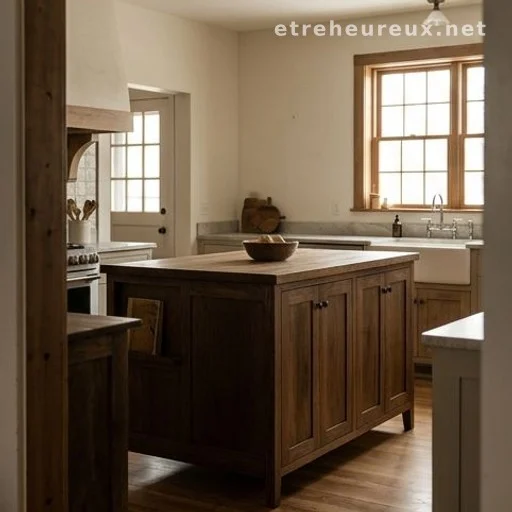
That ethos shaped kitchens in particular, where space was limited and daily labour was intensive. Every surface, edge and recess was expected to earn its place — which is why features that look like minor decorative choices often turn out to be solutions to very specific, recurring problems.
Understanding this history reframes how homeowners read their own kitchens. A ledge that seemed like a quirky design choice or an awkward mail shelf is, in this context, the direct descendant of a centuries-old problem-solving tradition.
From overlooked feature to functional centrepiece for gatherings
Beyond its original utilitarian roles, the article suggests the ledge can be repurposed as an interactive food bar for guests — a way to activate a feature that most homeowners have quietly ignored for years.

The kitchen island is described as a natural gathering point: a place for chopping, baking and socialising. Positioning small dishes, condiments or snacks along a recessed niche or behind a crumb-catcher lip gives the ledge a visible, social role without requiring any renovation.
The broader point is that recognising what a feature was designed for often changes how you use it. A ledge understood as a crumb barrier gets wiped regularly; a niche understood as a cookbook holder gets stocked — and a kitchen designed around practical logic starts to work the way it was always meant to.