A recipe shaped by solo living and a preference for minimal washing-up
The author, who describes herself as 73 and living alone, frames the appeal of this dish explicitly around the absence of cleanup: no multiple pots, no scrubbing, and no risk of overcooked vegetables from inattentive monitoring.
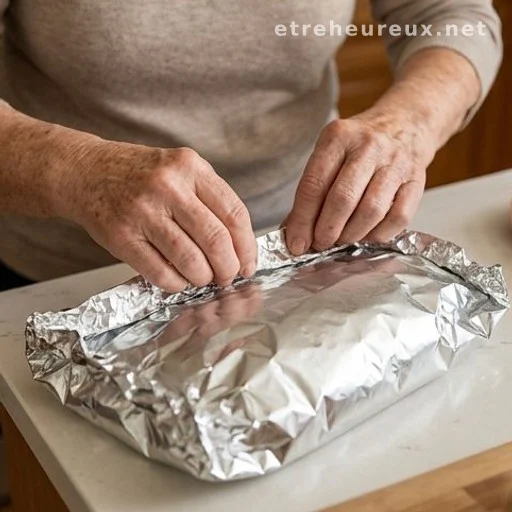
She traces the recipe’s roots to Midwestern family camping trips, church potlucks, and what she describes as an Amish-inspired approach to cooking — hearty, hands-off meals where a single vessel does all the work. The foil packet, in that tradition, functions as both the cooking vessel and the serving container.
Her stated benchmark for a successful recipe, attributed to her mother-in-law’s rule for family gatherings, is that it relies on humble, budget-friendly ingredients and leaves the foil scraped completely clean — meaning nothing is left behind.
What the vegetables contribute nutritionally, according to the author
The author highlights specific nutritional properties for each vegetable. Potatoes are cited for their potassium content, which she describes as helping to relax blood vessel walls and support steady blood pressure. Carrots and green beans are noted for fiber and antioxidants.
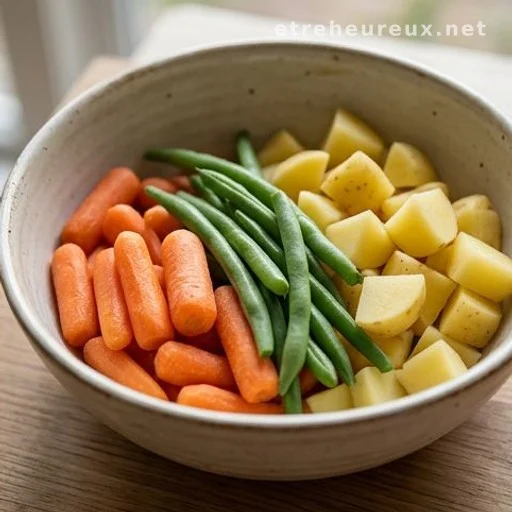
Green beans are singled out for Vitamin K, which the author associates with vascular integrity. Avocado oil is described as a source of monounsaturated fats, which she characterizes as circulation-supporting.
These are the author’s own attributions and characterizations, not claims verified by a cited medical or nutritional authority in the source material. Readers with specific dietary or health concerns should consult a qualified professional.