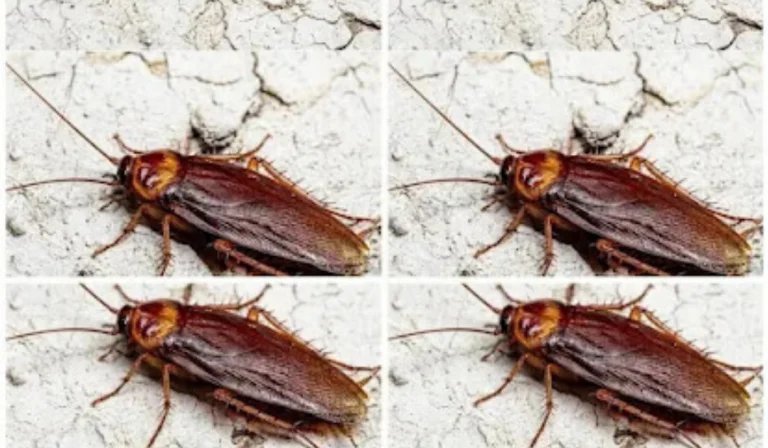
Four steps to clear your pantry safely — no harsh chemicals needed
Step one: isolate and dispose. Place any infested food immediately into a sealed plastic bag and take it directly to an outdoor trash bin. Do not leave the bag inside, and do not add infested food to a compost pile — these pests can survive there and spread.
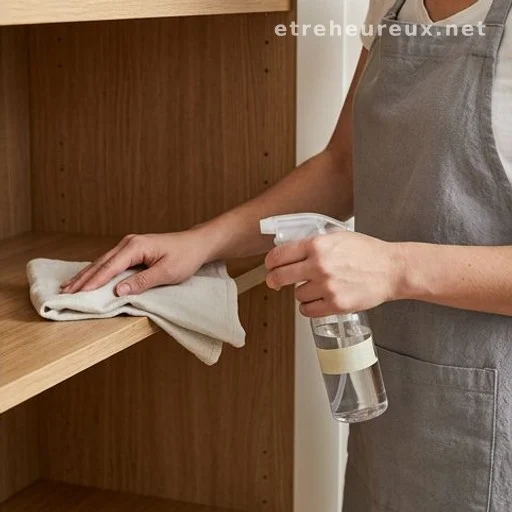
Step two: vacuum every corner. Empty the affected shelf or cabinet entirely, then use a vacuum hose attachment to reach every crack and crevice where eggs may be hiding. Critically, empty the vacuum canister or dispose of the bag outside immediately after — not in an indoor bin.
Step three: wipe with vinegar. Mix equal parts white vinegar and water and wipe down all shelves, walls, and corners. This solution removes the scent trails pests follow and is non-toxic — an important consideration compared to chemical sprays, which can irritate the respiratory system.
Step four: inspect everything remaining. Even unopened boxes and bags can carry tiny holes. When in doubt, discard the item.
Airtight containers and bay leaves: two practical ways to prevent a return
Once the pantry is clean, the priority is making sure pests cannot return. The most effective measure is transferring all dry goods — new purchases included — into hard plastic, glass, or metal containers with tight-fitting lids. Pantry pests can chew through cardboard and thin plastic bags, so standard supermarket packaging offers little protection.

A simpler, entirely natural deterrent is the dried bay leaf. Placing a few in flour bins and grain containers is reported to discourage many pantry pest species, which dislike the scent. The bay leaves are food-safe and do not affect the taste of stored ingredients.