
Thinning eyebrow hair is another signal worth taking seriously. While aging, stress and nutritional deficiencies are common causes, thyroid disease is also a significant factor. Hypothyroidism slows the body’s functions, disrupts hormone levels and can trigger general hair loss — including in the brow area. Alopecia areata, or spot baldness, is a less likely culprit, as it affects only about 0.1 percent of the population.
Eyes as diagnostic indicators
Ophthalmologists have long recognized that the eye’s blood vessels, tissues and surrounding structures can reflect systemic health conditions. Routine eye exams can sometimes detect signs of diabetes, hypertension or thyroid disorders before other symptoms appear. Many of the conditions described here are manageable when caught early.
Digital Eye Strain and migraine aura: two modern-era vision complaints
Extended hours in front of screens — computers, tablets, smartphones and e-readers — have given rise to what health professionals now call Digital Eye Strain: a cluster of eye and vision-related problems directly linked to prolonged device use. Symptoms include burning eyes and blurry vision, and the condition has become widespread enough to earn its own clinical name.

A small blind spot in the field of vision, particularly when accompanied by shimmering lights or a wavy line, may indicate a migraine aura. That visual disturbance can precede a painful headache. Anyone who experiences this pattern repeatedly is advised to speak with a doctor, both to manage symptoms and to identify possible triggers.
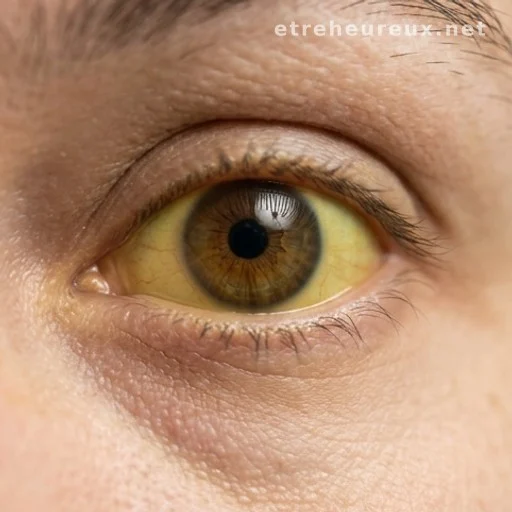
Bulging eyes and yellow whites: two signs that point directly to organ disease
Eyes that appear to protrude from their sockets are most commonly associated with Graves’ disease, an autoimmune disorder in which the thyroid gland produces too much thyroid hormone (hyperthyroidism). The specific complication, called Graves’ ophthalmopathy, occurs when the eyelids retract and the eyes bulge outward.
According to the National Institute of Diabetes and Digestive and Kidney Diseases, up to 30 percent of people who develop Graves’ disease will experience a mild form of this eye condition, while up to 5 percent will face a severe case.