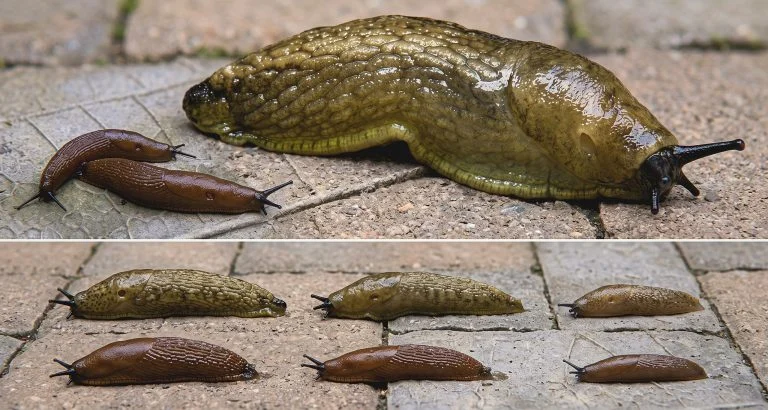
These amphibians are nocturnal by nature. They spend their days hidden in cool, damp spots and emerge at night to feed. If the same toad keeps reappearing in your yard, it is a reliable sign that your outdoor environment provides exactly what it needs to thrive.
Mosquitoes, flies, and fewer pesticides: the toad’s ecological role
Described as shy and harmless, toads are remarkably effective at keeping insect populations in check. Their diet includes mosquitoes, flies, and a wide range of other insects that gardeners typically consider pests.
This appetite makes them genuine allies for anyone managing a garden. Their presence can reduce the need for chemical pest control products, offering a natural and passive alternative that costs nothing and requires no effort from the homeowner.
Spotting a toad can also be read as an ecological indicator. It suggests that the local environment supports a functioning food chain — a sign that the garden’s ecosystem is in reasonable balance.
Amphibians as ecosystem indicators
Amphibians such as toads are widely regarded as sensitive indicators of environmental health because they depend on both aquatic and terrestrial habitats to complete their life cycle. A toad’s ability to thrive in a garden reflects the availability of clean water sources, adequate insect populations, and undisturbed shelter — conditions that benefit many other species as well.
From Feng Shui to folklore: what a toad symbolizes across cultures
Beyond their ecological function, toads carry significant symbolic weight in several cultural traditions. In Feng Shui, they are associated with prosperity and new opportunities — a reason the image of a toad is a recurring motif in decorative objects linked to good fortune.