Five preparation methods with specific quantities and steps
Bull thistle root can be prepared in five distinct ways at home, provided it is correctly identified and harvested from clean, chemical-free areas. All roots must be washed thoroughly before use.
Herbal tea (decoction): Add one tablespoon of chopped fresh or dried root to two cups of water, bring to a boil, then simmer for 15 to 20 minutes. Strain and drink warm, with honey or lemon if preferred. The suggested intake is one to two cups per day to support digestion and gentle detox balance.
Root powder: Fully dry the roots until they snap easily, then grind into a fine powder and store in an airtight glass container away from moisture. The suggested use is half a teaspoon once daily, mixed into a smoothie, herbal tea, or warm water.
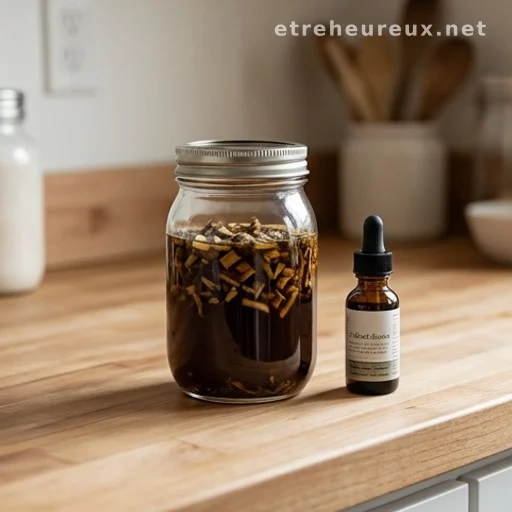
Herbal tincture: Fill half a glass jar with chopped fresh root, cover completely with vodka or a similar spirit of at least 40% alcohol, seal tightly, and store in a dark place for three to four weeks, shaking gently every few days. Once strained into a dropper bottle, the suggested dose is 10 to 15 drops diluted in water, up to twice daily.
Skin poultice: Wash and crush fresh root until soft and moist, apply directly to a minor cut or skin irritation, cover with a clean cloth, and leave in place for 30 to 60 minutes. Foot soak: Boil a handful of fresh or dried root in water for about 15 minutes, pour into a basin, allow to cool slightly, and soak feet for 20 minutes to help ease mild swelling after a long day.
Key safety rules before adding any herbal remedy to your routine
The source is explicit on one point: anyone considering bull thistle root should consult a qualified healthcare professional first — particularly people who are pregnant, breastfeeding, taking prescription medications, or managing a chronic health condition. Interactions between herbal preparations and conventional treatments are a genuine concern that a professional is best placed to assess.