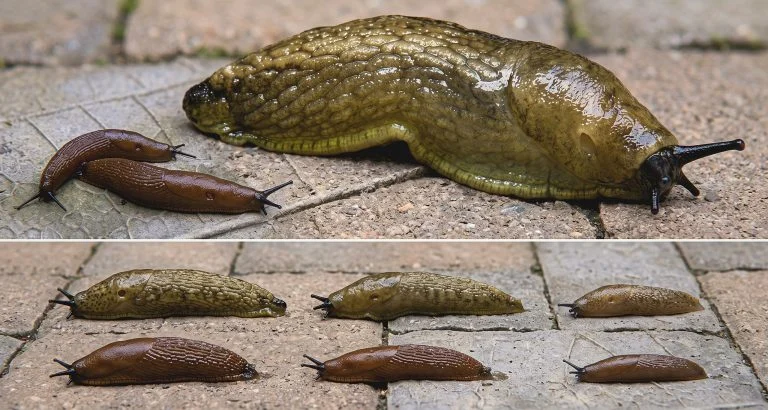
This creates a specific problem for anyone moving through wooded terrain: you may be watching the trail ahead while the animal lies motionless just beside your foot. Environments that deserve extra caution include areas with fallen leaves, dense vegetation, rocky edges, fallen logs, wood piles, tall grass, and shaded crevices.
Slowing down and actively scanning the ground — rather than fixing your gaze on a single point — significantly improves your ability to notice an unusual shape or pattern before you get too close. You do not need to become a tracker; you simply need to become more observant.
Stillness, not aggression: understanding how copperheads behave
Copperheads generally prefer to avoid confrontation. When a person approaches, the snake’s first instinct is often to remain completely motionless, relying on its camouflage rather than attempting to flee. That behavior can confuse people who expect a snake to move away — and it can cause them to step even closer.
The animal does not need to chase or actively approach a person to become dangerous. The risk rises sharply when someone accidentally steps on the snake, gets too close without noticing it, or attempts to touch or move it.
If you spot a copperhead on the trail, the recommended response is straightforward: stop, look, and back away calmly. There is no reason to approach, chase, or attempt to make the snake leave. Trying to handle a wild snake — or poking it with a stick, throwing objects at it, or moving in for a closer photograph — can turn a harmless encounter into a dangerous one within seconds.
Copperheads in North American ecosystems
Copperheads are venomous pit vipers found across much of the eastern and central United States, where they inhabit forests, rocky hillsides, and areas near water. Despite their reputation, they play an important ecological role as predators that help regulate rodent and small animal populations. Like other wild species, they are part of the natural environment and do not seek out human contact.