
Dilated eye exam: how doctors confirm the diagnosis
When a patient reports floaters, the standard diagnostic tool is a dilated eye exam. An eye doctor administers drops to widen the pupils, which allows a clearer view of the vitreous and the retina behind it.
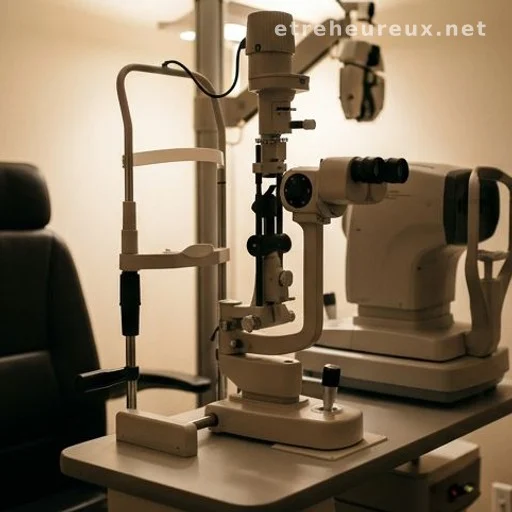
This examination lets the specialist identify abnormalities such as retinal tears before they progress to full detachment. It is the same exam used for routine eye-health screening, making regular check-ups a practical way to catch problems early.
Treatment and daily management: from surgery to lifestyle adjustments
For the majority of people, no treatment is required — floaters simply become less intrusive as the brain learns to filter them out. When they significantly impair vision, two medical options exist.

A vitrectomy surgically removes the vitreous gel and replaces it with a saline solution. Laser therapy uses targeted light to break up the floater clusters, making them less visible. Both procedures carry documented risks, including infection and retinal damage, and are generally reserved for severe cases.
For mild floaters, practical adjustments can help day-to-day. Moving the eyes up and down can shift floaters out of the direct line of sight. A diet rich in omega-3 fatty acids, vitamin A, and zinc is recommended to support overall eye health, and avoiding smoking is advised, as it can worsen eye conditions.
Whatever the severity, maintaining regular eye check-ups remains the most reliable long-term strategy — both for monitoring existing floaters and for catching any new underlying issues early.