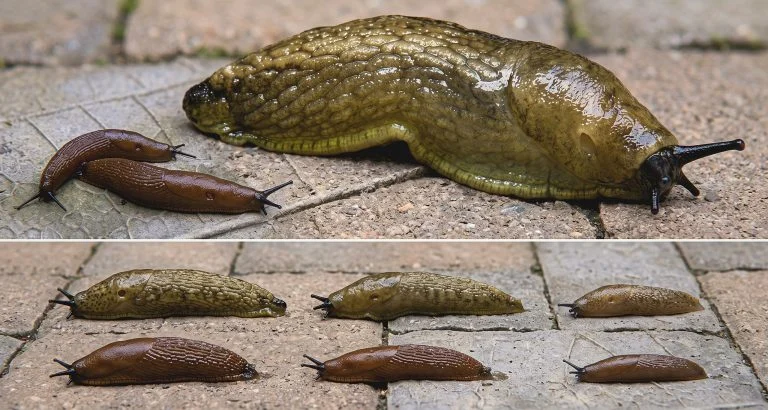
An empty house can quietly become an animal’s shelter
A property left unoccupied for months can offer animals exactly what they look for in a nesting site: quiet, darkness, warmth, and stability. Spaces beneath furniture, inside closets, under beds, and around ceilings can all serve as discreet refuges.
Because no one is present to disturb the area, evidence of an animal’s presence — droppings, shed material, or eggs — can accumulate over weeks without being noticed.
Six months is long enough for an animal to establish a nesting site, produce offspring, and potentially leave and return again. By the time a homeowner walks back through the door, the activity may be long finished.
That timeline also explains why the bed, rather than a more hidden corner, might become the site of a discovery. In a completely undisturbed room, any flat, sheltered surface can become attractive.
What to do if you find unfamiliar eggs in your home
The advice is straightforward: do not immediately touch, break, or dispose of the eggs with bare hands. The appropriate response depends on the species involved and the region, neither of which may be obvious at first glance.
The recommended first step is to take photographs from a safe distance, then contact a local wildlife professional, pest-control service, or animal-control authority. These experts can identify the eggs and advise on safe removal.