
Why indoor air quality matters more than most people realize
Indoor air quality has become an increasing focus of respiratory health research. Unlike outdoor pollution, which is regulated and monitored in many countries, the air inside homes is shaped largely by individual choices: the products bought, the ventilation habits maintained, and the materials used in furnishings. Vulnerable groups — including children, the elderly, and people with pre-existing respiratory conditions — face a higher risk from chronic low-level exposure to indoor pollutants.
Pressed wood furniture and gas stoves: formaldehyde and nitrogen dioxide at home
Pressed wood furniture and particleboard — widely used in desks, shelves, and cabinetry — can emit formaldehyde, particularly when new or of lower quality. The glue and varnish applied to furniture can also affect air quality. Consumers are advised to look for products labeled CARB Phase 2 or TSCA Title VI compliant, both of which certify low formaldehyde emissions.
Allowing new furniture to off-gas in a garage or a well-ventilated sunny room before bringing it indoors is recommended, as is improving airflow in recently furnished or remodeled spaces.
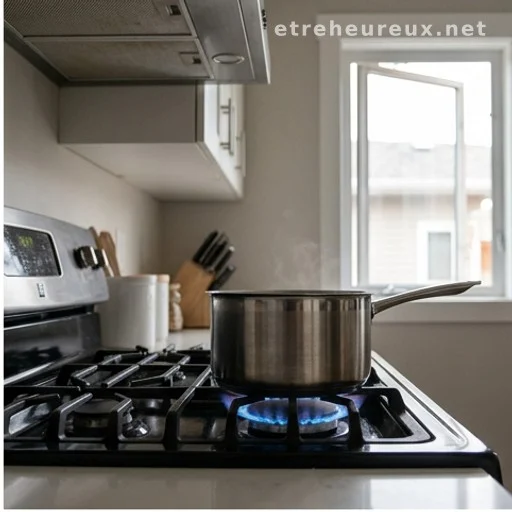
Gas stoves release nitrogen dioxide (NO₂), carbon monoxide, and fine particles during normal use. These emissions are linked to asthma symptoms, particularly in children. Cooking without ventilation — even briefly — can cause indoor pollution levels to spike. Using the range hood vented outdoors, opening a window, and avoiding using the stove as a heat source are the steps outlined to reduce exposure. Electric or induction cooktops are cited as cleaner alternatives.
Old carpets, radon, and daily habits that make a measurable difference
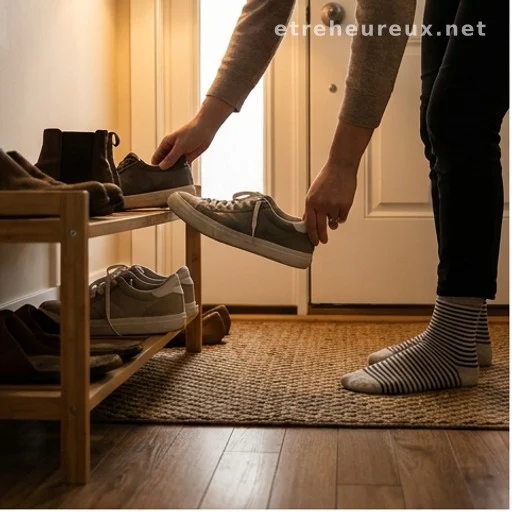
Older carpets trap dust, pet dander, mold spores, and chemical residues from past spills or treatments. Vacuuming without a HEPA filter can actually release these particles back into the air rather than removing them. Weekly vacuuming with a HEPA-filter device, removing shoes indoors, and using a dehumidifier in damp areas to prevent mold are the recommended measures.
Radon — an invisible, odorless gas — is identified as a leading cause of lung cancer in non-smokers. Affordable test kits are widely available at hardware stores and are described as a straightforward precaution for any home.