
A mineral stored mostly in bones
More than half of the body’s total magnesium supply is held in the skeleton, according to the NIH, where it works alongside calcium and vitamin D. The remainder is distributed across muscles, soft tissues, and bodily fluids, with less than 1% circulating in the blood — which makes standard blood tests an imperfect tool for detecting deficiency.
Fatigue, cramps, insomnia: recognizing the signs of deficiency
Magnesium deficiency has become a frequent finding in modern populations, and its causes are largely dietary and lifestyle-related. Diets high in processed foods and dairy products, regular alcohol consumption, aluminum exposure, and the natural process of aging all contribute to declining magnesium levels. Conditions such as Crohn’s disease and kidney problems can also impair the body’s ability to absorb or retain the mineral.

The symptoms of deficiency are wide-ranging. The most common include regular muscle cramps and twitching, fatigue, insomnia, high blood pressure, and heart palpitations. Migraine headaches, dizziness, loss of appetite, bowel problems, and asthma are also associated with low magnesium levels.
In more severe cases, deficiency can manifest as anxiety, confusion, tooth decay, or even seizures. Because these symptoms overlap with many other conditions, pinpointing magnesium as the cause can be difficult — which is why consulting a doctor for proper testing is recommended when deficiency is suspected.
Chia seeds, whole grains, and less aluminum: practical steps to raise your levels
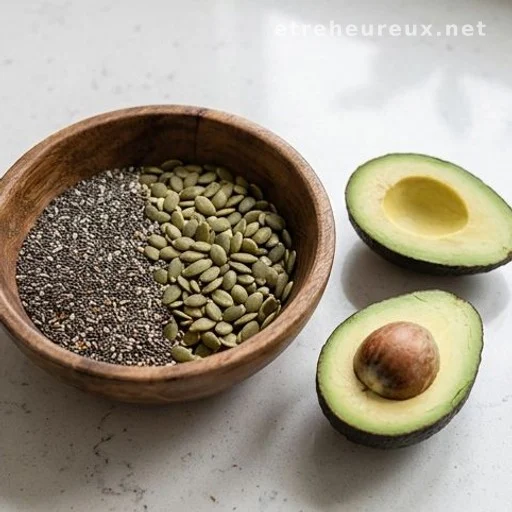
Diet is the primary lever for maintaining healthy magnesium levels. Leafy greens, beans, nuts, and seeds are among the best sources available, with chia seeds and pumpkin seeds standing out as particularly concentrated options. Avocados, salmon, edamame, and tofu are also nutrient-dense choices worth incorporating regularly.
Swapping processed carbohydrates for whole grains — such as brown rice, quinoa, or whole-wheat bread — can make a meaningful difference. Reducing dairy intake is also suggested, as high dairy consumption is associated with lower magnesium absorption.