Hydration and circulation: two overlooked factors
Insufficient fluid intake is another documented trigger. Dr. Tajbakhsh also points out that a high-fiber diet can compound the problem, since fiber draws on the body’s fluid reserves. Aiming for a couple of liters of water per day — adjusted upward for those eating a fiber-rich diet — is the baseline he recommends.
Poor blood flow to the legs is a separate but related issue. Acupuncture, viewed through the lens of Chinese medicine as a way to optimize circulation rather than treat overt blood deficiency, is described by Dr. Tajbakhsh as something he has used with considerable success in practice. A course of sessions with a qualified practitioner may, according to him, help eliminate cramps.
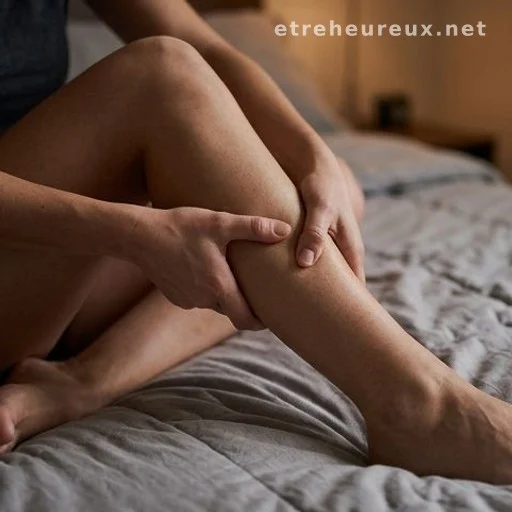
Massage works along similar lines. By compressing and releasing muscle tissue — mimicking, in effect, the pumping action of the heart — it encourages blood flow to under-perfused areas. Dr. Tajbakhsh recommends using thumbs and fingers to work through the calf muscles, spending extra time on any tender spots. These points of tenderness may represent trigger points; sustained firm pressure can release them, leaving the tissue noticeably softer.
Stress, sleep and the body’s recovery mode
Beyond physical causes, Dr. Tajbakhsh identifies chronic stress and overwork as contributing factors. When the body is locked in a sustained stress response — what he describes as sympathetic mode — it struggles to carry out the repair and recovery processes that normally occur during sleep, and leg cramps can be one result.

His suggested remedy is deliberately simple: spend a few minutes at the end of the day breathing deeply and mentally noting things that went well. This brief practice is intended to shift the nervous system toward parasympathetic mode, the state associated with rest and physical recovery.
Taken together, the approaches outlined — addressing mineral deficiencies, stretching, staying hydrated, improving circulation, and managing stress — cover the main pathways through which nocturnal leg cramps develop. For persistent or severe cases, Dr. Tajbakhsh recommends seeking individualized professional assessment rather than relying solely on self-managed strategies.