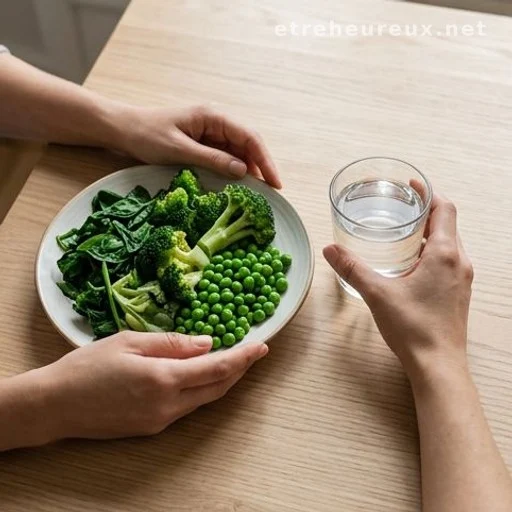
Dietitian Emily Maus emphasizes that hydration is critical to keeping the digestive system functioning smoothly. Foods with high water content contribute to overall fluid intake, offering an advantage over dry, low-moisture foods.
Green peas also provide a meaningful dose of magnesium: one cup covers 15% of daily needs. Magnesium draws water into the intestines, further softening stool and improving bowel movement frequency — a mechanism that makes it a recognized factor in constipation management.
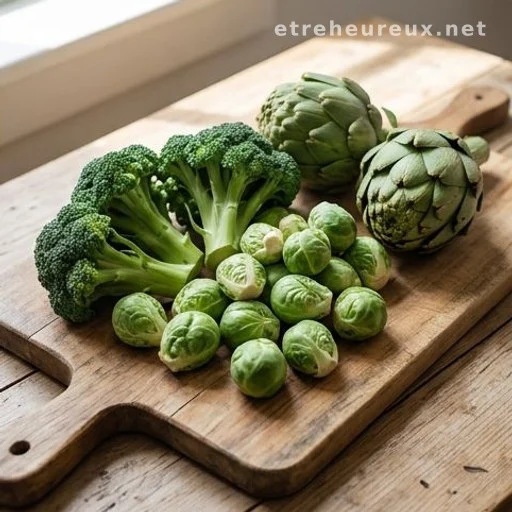
Broccoli, artichokes, and Brussels sprouts also support gut regularity
Green peas lead the rankings, but they are not the only vegetables worth adding to the plate. Broccoli provides almost 5 grams of fiber per cooked cup and, like green peas, is rich in magnesium. Artichokes and Brussels sprouts are also cited by dietitians as excellent options for supporting gut health.
Incorporating green peas into everyday meals is straightforward: they work in soups, salads, and stir-fries, and their mild flavor makes them easy to combine with other ingredients. The combination of fiber, fluid content, and magnesium across these vegetables gives anyone dealing with constipation a practical, food-first approach to improving regularity.