Doctors stress that unusual or severe reactions following a meal — particularly one involving fresh produce — should not be dismissed as ordinary indigestion. Kidney involvement, in particular, can escalate rapidly and warrants immediate evaluation.
What the FDA and food safety experts recommend to handle vegetables safely
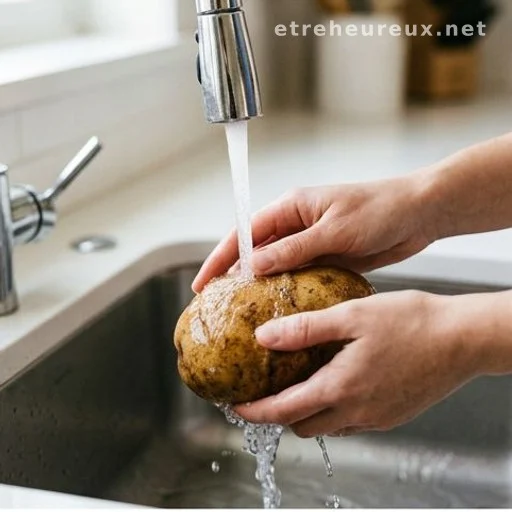
The guidance from health authorities is consistent and practical. Vegetables should be washed under running water immediately before preparation — not in advance. Hard-skinned produce such as potatoes or melons requires scrubbing with a clean brush. The FDA explicitly warns against using dish soap or commercial cleaners: because plants are porous, they absorb those chemicals rather than simply being rinsed clean.
Proper temperature control is equally important. All perishables should be refrigerated below 40°F (4°C), and any food that appears slimy, moldy, or abnormally discolored should be discarded. Cooked leafy greens should not be stored for extended periods or reheated multiple times.
Cross-contamination is a third area of focus. Raw meat must be kept completely separate from produce, dedicated cutting boards should be used for each, and hands should be washed with warm, soapy water for at least 20 seconds before and after handling food.
40°F
The maximum safe refrigeration temperature for perishable vegetables, according to food safety guidance — above this threshold, spoilage bacteria multiply rapidly.
Beets have earned their reputation as a nutritional powerhouse, and for good reason. Packed with nitrates, antioxidants, fiber, and essential minerals, they can support…
Long dismissed as slimy garden nuisances, slugs are proving to be one of nature's more remarkable creatures. From recycling organic matter in ecosystems to…