Patience over speed: why slowing down changes everything
Speed is the enemy of this kind of observation. The puzzle rewards those who resist the urge to reach a quick conclusion and instead commit to a slower, more methodical pass through the image.
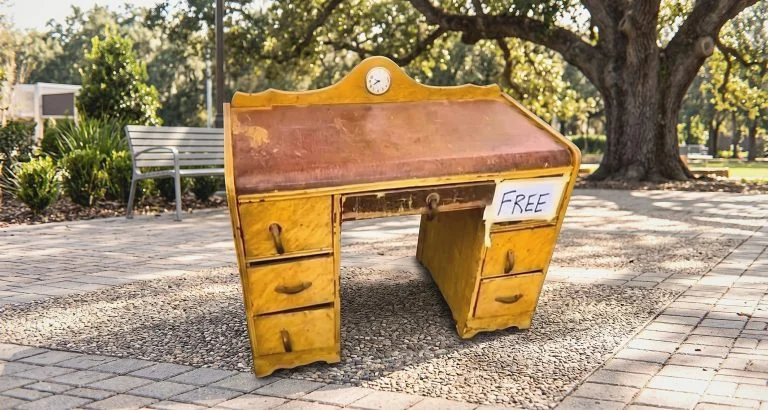
Shadows and reflections deserve particular attention because they change whenever an object is moved or removed, even slightly. A difference in how light falls on the desk surface, or a missing reflection on a glossy cover, can be the only clue available.
The exercise is explicitly about resisting first impressions. Checking an area once and moving on is not enough — returning to sections already examined, with fresh attention, often reveals what was missed the first time.
A small puzzle with transferable skills
The value of regularly solving visual puzzles extends beyond the game itself. The same deliberate scanning habit described here applies directly to proofreading a document, locating a misplaced object, or simply noticing details in everyday surroundings.
“By practicing the art of spotting minute differences, you are effectively training your brain to be more deliberate and precise in its observations,” the puzzle’s framing states. The skill being exercised is not a narrow trick — it is a general capacity for sustained, precise attention.
Whether the difference is found in seconds or takes several minutes, the process itself — slowing down, dividing the scene, checking shadows and colors — is the real outcome. The study desk puzzle, however modest it appears, is a concrete workout for concentration and patience.