
Other documented signs include swelling in the feet or ankles due to damage to blood vessel linings; acid reflux caused by a weakened lower esophageal sphincter; pale, white, or bluish fingernails linked to poor oxygen circulation; and an unsteady or wide-legged gait when nerve-muscle communication breaks down. Brain fog, difficulty with spatial orientation, hyperactivity or ADHD-like behavior, abnormal sweating patterns, and restless leg syndrome round out the list of 12 signs identified.
What thiamine actually does in the body
Thiamine is a water-soluble B vitamin that the body cannot produce on its own and must obtain through food or supplements. It functions as a coenzyme in energy metabolism and is essential for maintaining the myelin sheath that insulates nerve fibers. Because it is not stored in significant quantities, reserves can drop relatively quickly when intake is insufficient or depletion is accelerated by diet, alcohol, or medication.
Diabetes and thiamine: a documented overlap
People with diabetes are described as being almost always low in thiamine. The body draws on large amounts of B1 to metabolize excess blood sugar, and without sufficient thiamine, elevated glucose can damage small blood vessels and nerves — a pathway toward neuropathy and other complications.
Fat-soluble forms of thiamine, specifically allithiamine (derived from garlic and onion compounds) and benfotiamine (a synthetic fat-soluble form), are presented as particularly relevant for people with nerve damage because they penetrate nerve tissue more effectively than standard water-soluble thiamine. Taking these alongside a full B-complex supplement, ideally sourced from nutritional yeast, is suggested as a way to reduce these risks.
Some early studies are also said to link chronic thiamine deficiency to Alzheimer’s disease and cognitive decline, given that the hippocampus and cerebellum — brain regions critical for memory and spatial awareness — depend heavily on B1. These regions may shrink or malfunction when thiamine is persistently low, though this research is described as preliminary.
Restoring thiamine levels: foods, supplements, and what to avoid
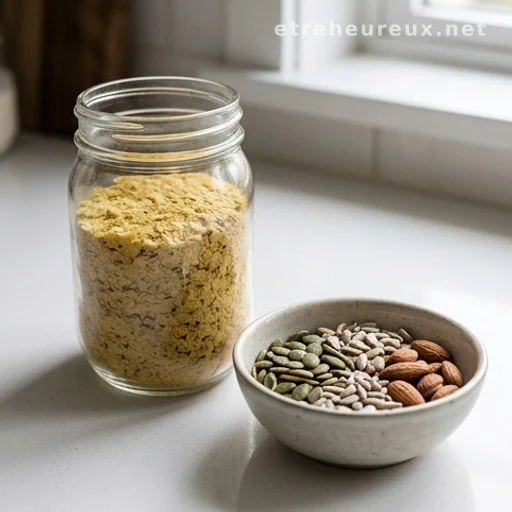
Restoring thiamine is described as generally straightforward. Unfortified nutritional yeast — 2 to 3 tablespoons daily — is cited as one of the richest natural B-vitamin sources. Foods including sunflower seeds, organic pork, wild salmon, garlic, asparagus, squash, and mussels supply B1 alongside supporting nutrients that aid absorption.