
Sleeping on the right side, by contrast, may not offer the same positional advantage, since it can allow stomach contents to sit closer to the esophageal opening.
Liver, spleen and lymphatic system: three organs on the left
Several vital organs are physically located on the left side of the body, and their placement is central to the argument for left-side sleeping. The spleen, which plays a role in blood filtration, is said to function more smoothly in this position due to increased blood flow.
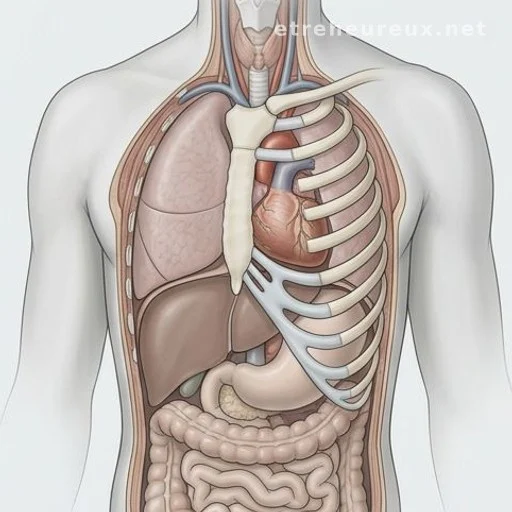
The liver, situated on the right, is said to face increased pressure when the body rests on that side, potentially leading to congestion. Shifting to the left is claimed to allow the organ to filter toxins and substances more effectively through the night.
The thoracic duct — a key component of the lymphatic system responsible for clearing toxins — is also on the left side. Left-side sleeping is said to encourage easier drainage into this duct, supporting toxin removal and helping reclaim proteins that escape from cells.
Sleep position and health: a growing area of interest
Sleep research has long focused on duration and quality, but body position during sleep has attracted increasing attention in wellness circles. The claims around left-side sleeping are largely based on anatomical reasoning — the physical location of organs and the role of gravity — rather than large-scale clinical trials. Individuals with specific conditions such as GERD or heart issues are often advised by healthcare providers to consider sleep posture as part of broader lifestyle adjustments.
Heart and circulation: letting gravity do the work
The heart is another organ said to benefit from left-side sleeping. Because the heart is positioned slightly to the left in the chest, lying on the left side is claimed to allow gravity to assist blood flow, reducing the effort required to pump and circulate blood throughout the body.