
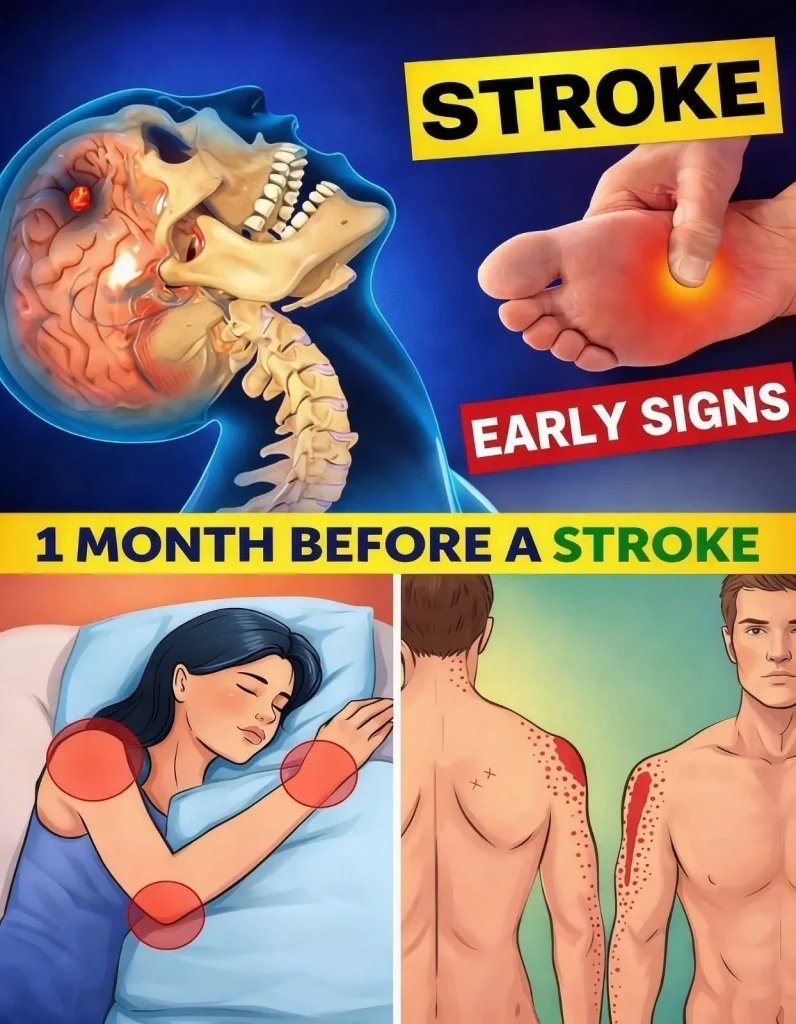
Stroke is one of the leading causes of death and long-term disability worldwide, yet doctors say the body may sometimes send subtle neurological signals weeks before a major event occurs. Eight early warning signs — ranging from temporary numbness to brief confusion — have been identified as potential indicators that should never be ignored. Recognizing them early, and knowing the right prevention steps, can make a critical difference.

In brief
- —Subtle signs may appear up to a month before a stroke
- —TIA, or mini-stroke, sharply raises full stroke risk
- —FAST acronym guides emergency response: Face, Arm, Speech, Time
Numbness, slurred speech and dizziness: the first four signals to watch
The most recognized early warning sign is sudden numbness or weakness affecting one side of the body — the face, arm, hand, or leg. Although it may last only minutes, this episode may be a transient ischemic attack (TIA), commonly called a mini-stroke. Doctors consider a TIA a serious indicator of significantly elevated risk for a full stroke.