The plant’s reputation rests largely on generations of practical use rather than on a completed body of clinical evidence. As the source notes, modern research is still exploring its full potential, meaning most of the benefits described below reflect traditional practice and, in some cases, preliminary scientific interest rather than established medical conclusions.
Its bioactive profile includes flavonoids and phenolic acids, compounds that researchers associate with antimicrobial, anti-inflammatory, and antioxidant activity — a chemical foundation that helps explain why so many traditional applications have persisted.
Respiratory, wound, and skin applications rooted in traditional practice
Among the most documented traditional uses is respiratory support. Preparations made from the leaves are traditionally used to soothe the throat, loosen mucus, and ease breathing discomfort during coughs, bronchitis, or seasonal irritation.
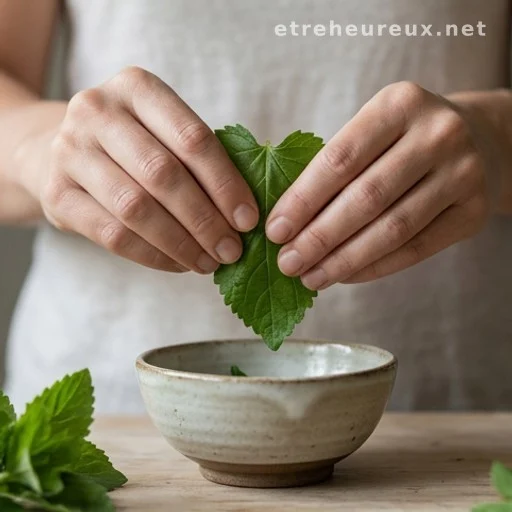
For external use, crushed leaves are applied directly to minor cuts, burns, and wounds. This topical practice draws on the plant’s antimicrobial and anti-inflammatory properties, with the aim of supporting faster healing and reducing the risk of infection.
Skin conditions are also a traditional target. Leaf extracts applied to the skin are associated with soothing acne, rashes, eczema, and mild irritation. These applications share the same anti-inflammatory rationale as wound care, though they remain within the realm of traditional use rather than clinically validated treatment.
Traditional medicine vs. clinical evidence
Many plants used in traditional medicine across Africa, Asia, and the Caribbean are now the subject of preliminary scientific investigation. In the case of Bryophyllum pinnatum, researchers have identified bioactive compounds such as flavonoids and phenolic acids, but the source explicitly states that modern research is still exploring the plant’s full potential. This means that traditional claims, however long-standing, have not yet been uniformly validated through clinical trials.