People spend up to 90% of their time indoors, yet indoor air can sometimes be more polluted than outdoor air — even in cities. From scented candles to pressed wood furniture, a number of everyday household items release invisible chemicals and particles that may irritate the lungs over time. Here is what the research suggests, and how to limit exposure.
In brief
- —Indoor air can exceed outdoor pollution levels, even in cities
- —Gas stoves, carpets, and candles are among the six flagged items
- —Simple habits like opening windows daily can make a real difference
VOCs, fine particles, ozone: the invisible pollutants building up indoors
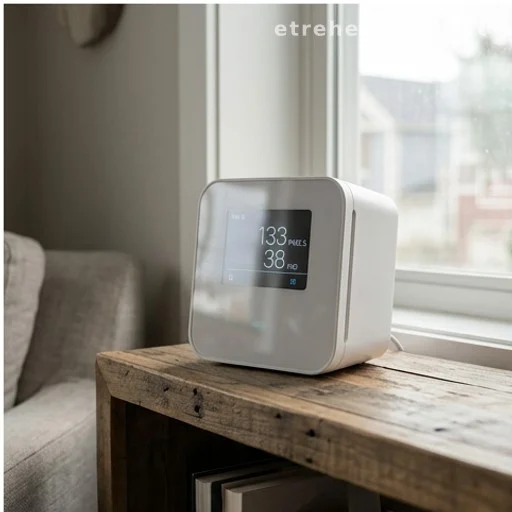
Three main categories of pollutants are identified as the primary indoor air concerns. Volatile Organic Compounds (VOCs) are gases emitted by paints, cleaners, furniture, and air fresheners. Fine particulate matter (PM2.5) consists of tiny particles that can lodge deep in the lungs. Ozone can be produced by certain air purifiers and cleaning devices.
See the rest on the next page ⬇⬇