
These pollutants may contribute to irritated eyes, nose, or throat, asthma attacks, headaches, fatigue, and an increased risk of lung infections. People with asthma or allergies, as well as children and the elderly, are described as more sensitive to poor indoor air quality.
A key point: a home that smells clean is not necessarily a home with clean air. VOCs from paint, furniture, or flooring can be present even in well-maintained spaces.
Candles, cleaning sprays, and air fresheners: fragrance chemicals under scrutiny
Scented candles and air fresheners are among the most commonly used items flagged for indoor air concerns. Many release fragrance chemicals such as limonene or phthalates. When limonene reacts with indoor ozone, it can form formaldehyde, a known respiratory irritant. Burning paraffin wax — a petroleum by-product — can also emit soot and VOCs comparable to those found in car exhaust.
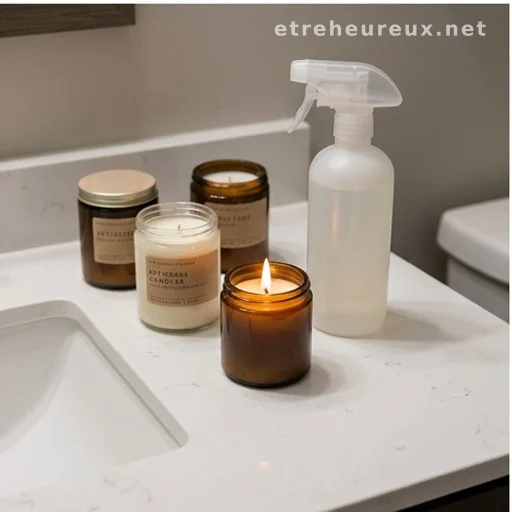
Plug-in air fresheners and automatic sprays contribute to long-term exposure by releasing fragrance continuously. Some contain phthalates, which have raised concerns in hormone-related studies conducted on animals.
Strong cleaning products such as bleach, oven sprays, or ammonia release harsh fumes that irritate the lungs and eyes. Mixing certain chemicals presents an acute risk: combining bleach and vinegar, for example, can generate toxic chlorine gas. Even products marketed as "green" can release VOCs, making label-reading essential.
Practical alternatives include beeswax or soy candles with cotton wicks, natural cleaners such as vinegar, baking soda, or castile soap, and activated charcoal or HEPA purifiers for odor control. Ventilating the room — by opening a window or running an exhaust fan — is consistently recommended during and after use.