The plant’s traditional reputation spans a notably wide range of uses — from internal support for the liver and kidneys to external applications on minor skin irritations. None of these uses are presented as clinically proven; they belong to the realm of folk and herbal tradition, and should be understood as such.
Traditional use vs. clinical evidence
Bull thistle root belongs to the Cirsium genus and has featured in folk herbal practices across Europe and North America for generations. The benefits described in this article are rooted in traditional use and have not been evaluated by regulatory health authorities. They should not be interpreted as medical claims.
Twelve potential benefits, from liver support to clearer skin
Herbal tradition attributes a broad range of potential benefits to bull thistle root. On the digestive front, it is said to ease occasional bloating, promote smoother nutrient absorption, encourage regular bowel movements through its natural fiber content, and gently stimulate appetite during periods of low interest in food.
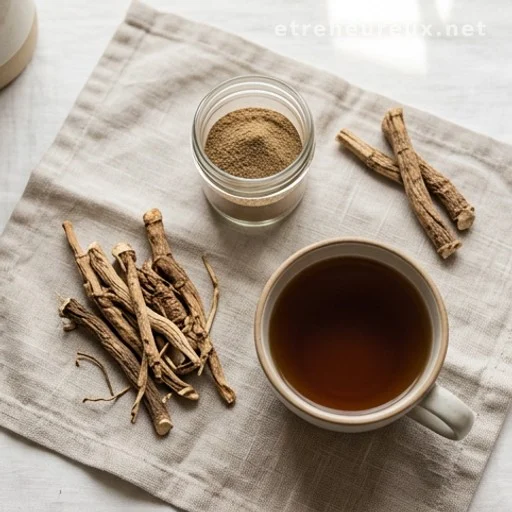
The root is also traditionally linked to internal cleansing: it is described as a mild blood-supporting herb that helps the body eliminate everyday metabolic waste, and is associated with supporting both liver function and kidney health — notably by helping the body flush excess fluids and maintain urinary balance.
Beyond digestion and detox, herbalists have used bull thistle root to help ease mild joint stiffness linked to everyday wear and tear, reduce occasional puffiness through a mild diuretic effect, and promote healthier-looking skin — a benefit attributed to its detox-support role. Applied externally, crushed fresh root has traditionally been placed on minor cuts and skin irritations as a folk remedy.
It is worth repeating that all twelve benefits are described as potential or traditional — not as outcomes supported by clinical trials or regulatory health claims.