According to the riddle, the deciding clue lies in the looseness of a character’s cuffs — a detail easy to miss at a glance, but decisive once spotted. It is precisely this kind of subtle observation that separates a quick guess from a reasoned answer.
Three options, one correct answer: A, B or C?
The riddle places three candidates — A, B, and C — before the solver. Each appears at first glance to be in a similar situation, which is precisely what makes the challenge effective.
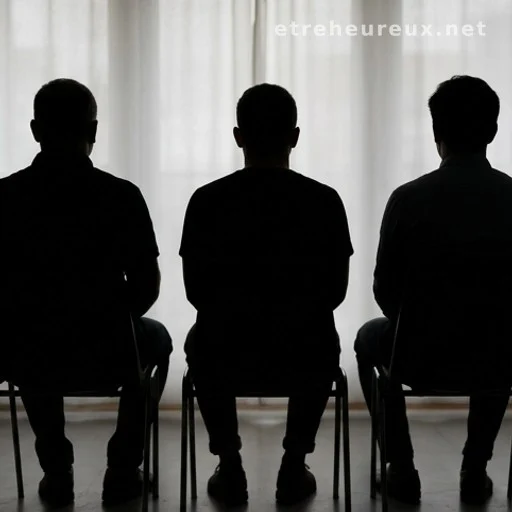
Only by slowing down and comparing the details across all three options can the solver identify the one character whose restraints are loose enough to allow an escape. The answer is provided in the source, though the image containing it is not described in text form.
Why these puzzles do more than pass the time
Brain teasers and visual riddles are frequently cited as tools for sharpening cognitive skills. The ability to notice what others overlook — a slightly different shade, a small gap, a loose fitting — is a form of trained attention that extends well beyond puzzle-solving.
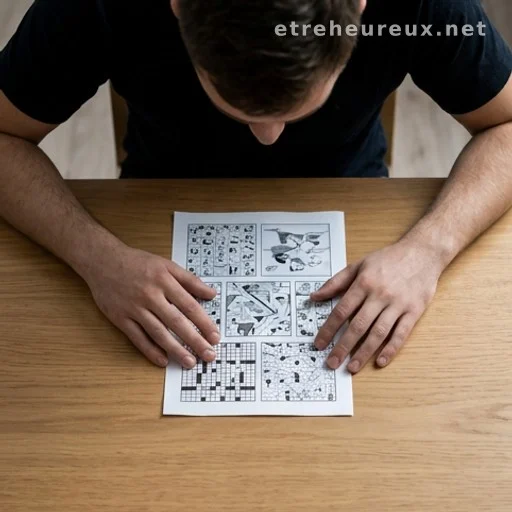
This type of challenge encourages solvers to resist the impulse to answer quickly and instead adopt a more methodical approach, scanning each option before committing to a conclusion.
Observation as a skill: what riddles actually train
The core skill tested by riddles like this one is selective attention — the capacity to filter out irrelevant information and zero in on what matters. In this case, the relevant detail is physical and specific: the fit of the cuffs.