Step-by-step: how to apply the technique without causing harm
The technique can be performed lying on a comfortable surface or sitting, depending on the area to be targeted. Place the ball beneath the soft muscle tissue where tension is felt — never directly over the spine, a bone, or a site of sharp nerve pain.
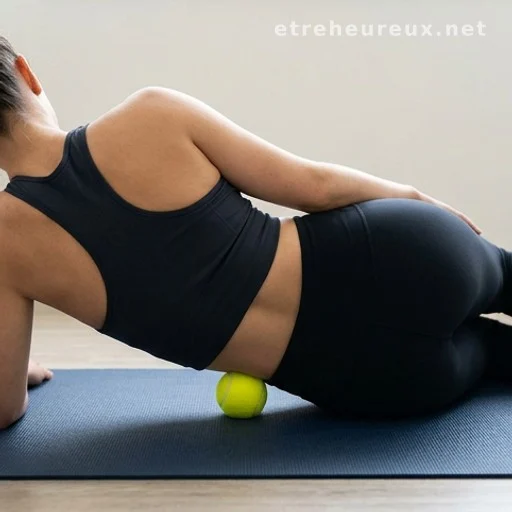
Slowly shift some body weight onto the ball. When a tender spot is found, hold the position for approximately 15–20 seconds, breathing normally. Small, slow movements are also possible if staying still feels uncomfortable.
After releasing, move the ball slightly and repeat on an adjacent area. Intensity matters: if the sensation crosses from mildly uncomfortable into genuinely painful, reduce the pressure or stop entirely. More pressure does not produce better results.
For those who find a single ball too concentrated, using two tennis balls — or a softer massage tool — distributes the pressure over a wider surface. The objective is gentle muscle relaxation, not forcing the body to endure pain.
Four warning signs that mean the ball is not enough
Tennis ball massage is not appropriate for everyone. Several situations call for caution or an immediate stop: sharp or shooting pain during the session, pressure applied over a visibly swollen or injured area, suspected nerve compression at the targeted site, or symptoms that are progressively worsening.

Certain warning signs require prompt medical attention regardless of any home technique: significant or progressive leg weakness, loss of bladder or bowel control, or numbness around the groin and saddle area. These can indicate a more serious nerve involvement that self-massage cannot address.