
Isle of Ré and Cape Reinga: the world’s best-known square wave hotspots
Square waves tend to appear where two large bodies of water converge around a peninsula or headland, creating the ideal geometry for opposing swells. The Isle of Ré, situated just off the coast of La Rochelle in western France, is one of the most celebrated locations for observing the phenomenon. Its lighthouse draws thousands of visitors specifically hoping to witness cross sea waves from a safe vantage point.
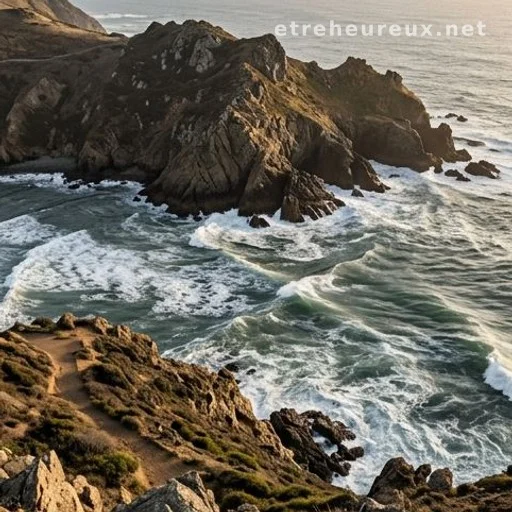
Cape Reinga, at the very northern tip of New Zealand, is another well-documented site. There, the Tasman Sea and the Pacific Ocean meet head-on, regularly producing the characteristic square pattern visible from the cape’s clifftop lookout.
The phenomenon is not limited to dramatic open-ocean collisions. Square waves have also been observed in shallower coastal waters, including off Tel Aviv, Israel — a reminder that the conditions can arise closer to populated beaches than many swimmers might expect.
A tourist magnet best admired strictly from dry land
The paradox of square waves is that their danger is inseparable from their beauty. The geometric precision of the pattern — rare enough to feel almost unreal — is precisely what makes locations like the Isle of Ré lighthouse a major tourist draw, attracting visitors from across Europe and beyond.
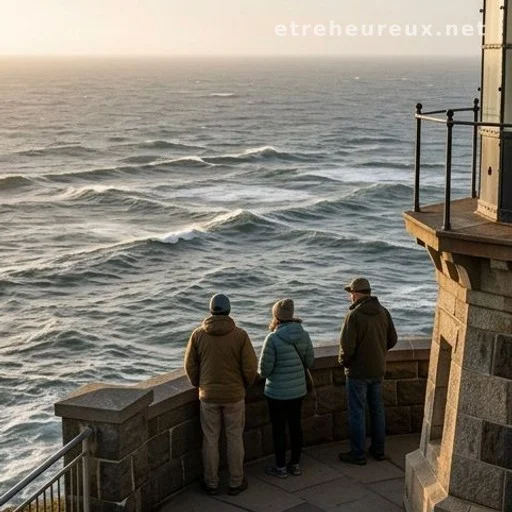
That popularity, however, comes with a clear caveat. The same conditions that produce a photogenic seascape make the water beneath it treacherous. Boaters cannot reliably predict wave direction, and swimmers have no stable current to work with if they get into difficulty.
The practical rule is simple: square waves are a spectacle for the shore, not an invitation to wade in. Watching the checkerboard pattern form and dissolve from the safety of a clifftop or beach is the experience these places are built for — and the only one that carries no risk.