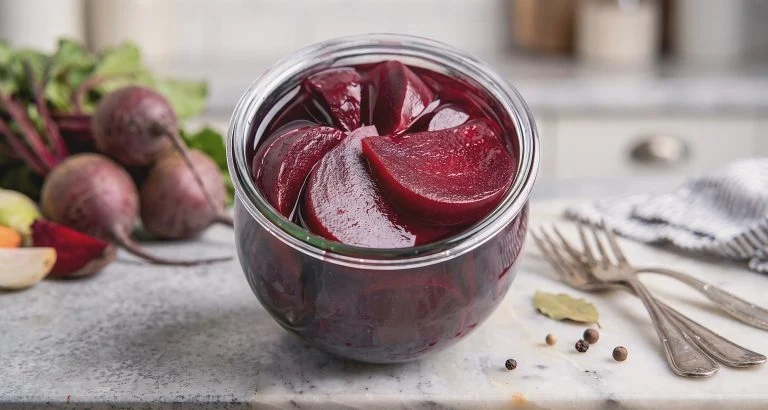
Fiber works by bulking up stool and supporting gut health, making waste easier to pass. There are two types: insoluble fiber, which adds bulk and speeds transit through the digestive tract, and soluble fiber, which absorbs water and softens stool. Both are needed for optimal digestive function.
Why fiber intake matters
Dietary fiber is the primary nutritional factor behind regular bowel movements. It comes in two forms — soluble and insoluble — each playing a distinct role in digestive health. Despite its importance, dietitian Nichole Dandrea-Russert notes that fewer than 5% of Americans currently meet their daily fiber requirements.
Green peas: 9 grams of fiber and two types in a single cup
Among all vegetables, dietitians single out green peas as the top choice for constipation relief. One cup of cooked green peas delivers 9 grams of fiber — equivalent to 32% of the daily recommended intake — in a small, versatile serving.
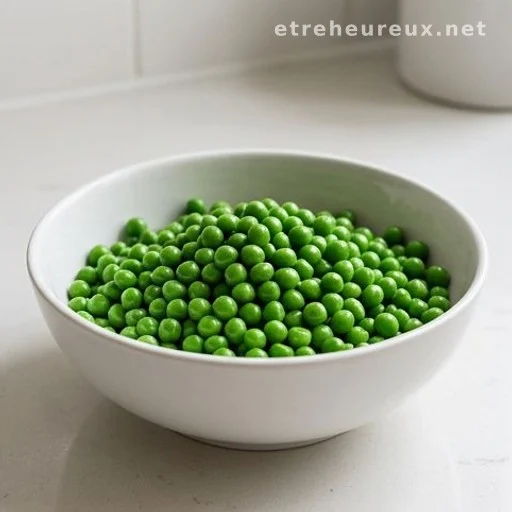
Green peas contain both insoluble and soluble fiber. The insoluble variety adds bulk to stool and speeds up digestion, while soluble fiber helps soften it. Together, they create conditions that make bowel movements significantly easier.
Their fiber density is what sets them apart from many other vegetables, making them an efficient dietary tool for anyone looking to improve regularity without resorting to supplements.
80% water and 15% of daily magnesium needs in one serving
Fiber alone is not enough to prevent constipation — hydration matters just as much. According to the USDA, green peas are composed of almost 80% water, which works alongside their fiber to soften stools and ease their passage.