That cultural origin is crucial context. For many wearers, the design is less a symbol of affiliation than a quiet acknowledgment of where they have come from and what they have survived.
A tattoo with deep cultural roots
The three-dot tattoo has been worn for decades in Chicano and Mexican-American communities as a marker of personal history and resilience. Its spread into broader popular culture has multiplied its meanings, making any single interpretation — especially a threatening one — increasingly unreliable as a guide to the wearer’s identity or intentions.
From the Holy Trinity to a father’s tribute: the tattoo’s many other meanings
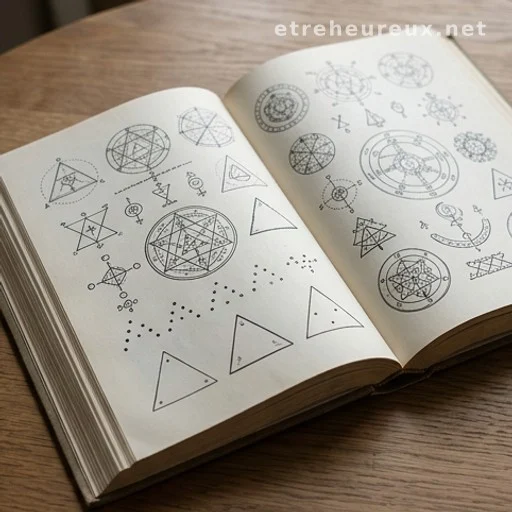
Beyond its Chicano roots, the three-dot tattoo carries a wide range of personal and spiritual meanings. The triangle is an ancient symbol used across traditions to represent the Holy Trinity, the mind-body-spirit triad, or other groupings of three.
For many wearers, the meaning is entirely private. One example given is a man whose three dots represented his three children — a tribute to the people he described as the most important in his life, with no connection to any group or movement.
Others choose the design purely for its minimalist aesthetic: three dots, clean lines, no deeper significance required.
Gang association: possible in specific contexts, but not the rule
The viral warnings are not entirely without basis. In some specific contexts, a three-dot tattoo — particularly on the hand — can be associated with a particular gang. This is acknowledged directly.