
While such severe outcomes are described as relatively rare, the incident illustrates that vegetables — widely regarded as the safest category of food — are not immune to safety concerns when they are improperly handled or stored. The question of how a vegetable can become risky turns out to have several documented answers.
Why vegetables are not automatically safe
Vegetables are grown in open fields where soil, water, and agricultural chemicals are constant environmental factors. The CDC Food Safety Overview identifies foodborne bacteria as a leading cause of preventable gastrointestinal hospitalizations in the United States each year. Health professionals note that the same handling discipline applied to raw meat should also be applied to fresh produce.
Soil, water, and storage: four ways fresh produce can become contaminated
Because most vegetables are grown in open environments, they are exposed to multiple contamination pathways before reaching the kitchen. Soil, agricultural run-off, and irrigation water can deposit tough pathogens — including E. coli, Salmonella, and Listeria — directly onto the surfaces of leafy greens and root vegetables. According to the CDC Food Safety Overview, these foodborne bacteria account for a major share of preventable gastrointestinal hospitalizations recorded each year.
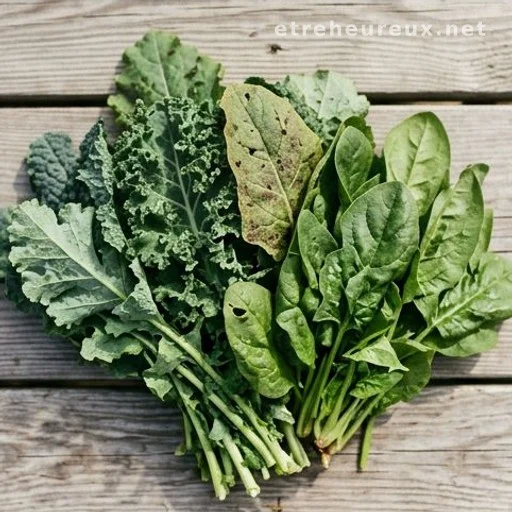
Temperature mismanagement is a second, often overlooked risk. Perishable leafy greens left at room temperature provide an environment where spoilage bacteria multiply rapidly. A third hazard involves chemical change: when leafy greens are stored or cooked improperly, harmless nitrates can convert into harmful nitrites.
Finally, physical damage or sprouting can cause plants to produce higher levels of their own natural toxins — solanine in nightshades being one documented example — while inadequate washing leaves behind traces of agricultural chemicals.
Constant vomiting, high fever, changes in urine: when to seek urgent care
When food safety thresholds are crossed, symptoms can appear quickly. The Mayo Clinic Acute Kidney Injury Portal advises seeking urgent medical attention if any of the following occur after a meal: constant vomiting, extreme weakness, high fever, or noticeable changes in urine output.