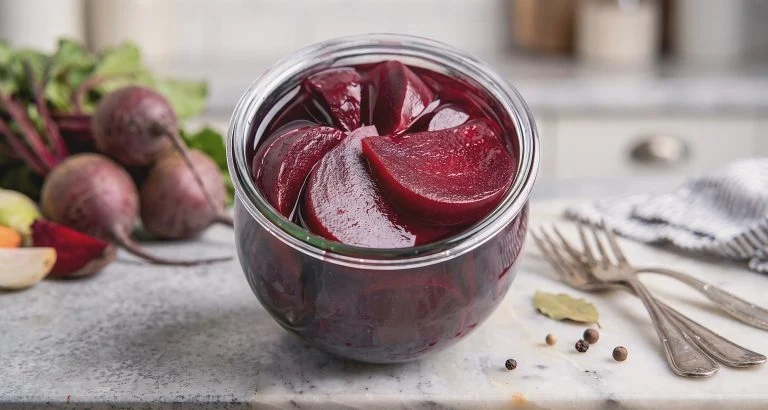
Beets are also one of the few plant sources of betalains — the pigments responsible for their vivid red color. Inside the body, these compounds do far more than color a plate. They function as active antioxidants and anti-inflammatories, working to counter oxidative stress and neutralize free radicals associated with chronic disease.
This combination of micronutrients working in concert is precisely what has drawn the attention of nutritional researchers, moving beetroot from the forgotten corner of the salad bar into serious scientific study.
From forgotten vegetable to functional food
For decades, beetroot occupied a marginal place in Western diets, often served pickled and largely overlooked. The shift came as nutritional researchers began investigating dietary nitrates as a natural mechanism for cardiovascular support — placing beetroot at the center of one of the more significant re-evaluations in modern nutrition science.
How dietary nitrates in beets can lower blood pressure within hours
The most clinically significant property of beetroot is its high concentration of dietary nitrates. When consumed, bacteria in the mouth and stomach convert these nitrates into nitrites, which the body then uses to produce nitric oxide — a key signaling molecule for the cardiovascular system.

Nitric oxide acts as a vasodilator: it signals the muscles surrounding blood vessels to relax and widen, improving blood flow throughout the body. Research published by the National Institutes of Health suggests that a single glass of beetroot juice may produce a measurable decrease in systolic blood pressure in as little as one to two hours.
This effect extends well beyond the heart. Any tissue that depends on oxygen and nutrient delivery — muscles, organs, the brain — stands to benefit from improved circulation driven by this nitrate-to-nitric-oxide pathway.