Antioxidants including beta-carotene, melatonin, and betalains
Purslane is described as containing a notable range of antioxidants: beta-carotene, glutathione, melatonin, and betalains. The source attributes to these compounds a protective role against premature ageing, inflammation, and chronic disease.
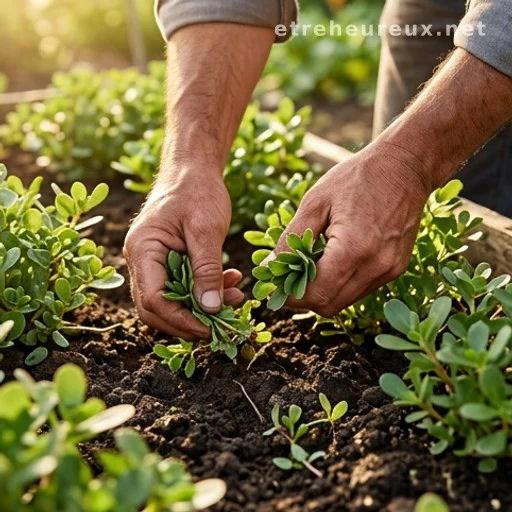
Betalains in particular are highlighted as having powerful anti-inflammatory effects. The publication recommends consuming purslane raw in salads to preserve the maximum concentration of these antioxidants, suggesting that cooking may reduce their potency.
Easy to grow at home: drought-resistant and kitchen-versatile
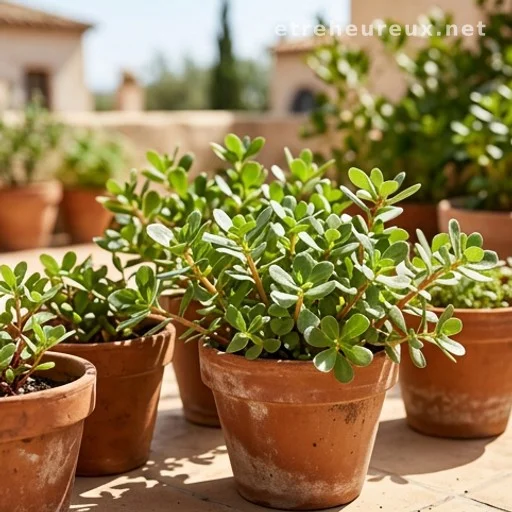
From a gardening perspective, purslane requires little investment. The plant thrives in poor soil, needs minimal watering, and can be grown from seeds or cuttings in containers, raised beds, or garden borders. Its drought resistance makes it a low-maintenance option for home growers throughout the season.
In the kitchen, purslane is described as having a crunchy texture and a mild, lemony, slightly salty flavour. The publication lists multiple preparation methods: eaten raw in salads, sandwiches, or wraps; cooked in stir-fries, soups, or omelettes; or fermented into a probiotic-rich side dish.
A simple recipe suggested by the source combines purslane with garlic, olive oil, and lemon juice as a nutritious side dish.
The renewed interest in purslane as an edible garden plant raises broader questions about how nutritional claims for so-called superfoods are validated and communicated to the public. Whether health authorities or independent researchers will formally assess the specific benefits attributed to purslane in sources like this one remains an open question. For now, gardeners curious about the plant can begin with seeds or cuttings in the current growing season.