In the early phase, the nail bed becomes softer and shinier, which is thought to result from fluid accumulation beneath the nail. As the condition advances, the curve of the nail becomes more pronounced — a feature sometimes described as Scarmouth’s sign — and the fingertips may appear noticeably larger.
According to Emma Norton, most people are unaware of this sign and would not know to check for it. Finger clubbing usually affects both hands, though it can occasionally appear on just one.
How to perform the Schamroth window test in three steps
The Schamroth window test is a straightforward self-check that takes only a few seconds. Hold both hands in front of you, then bring the tips of your index fingers together so that the nails are touching, bending the tops of the fingers slightly.
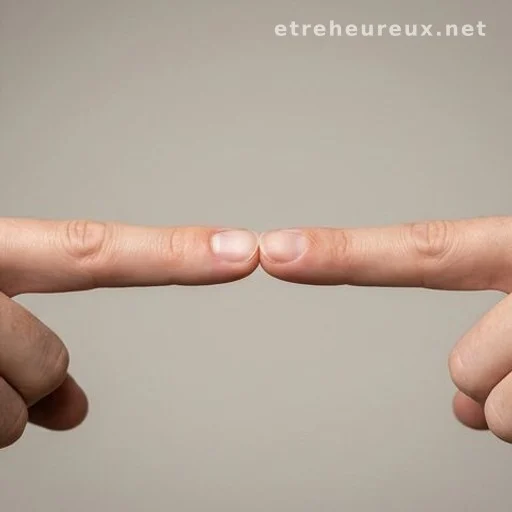
When the nails meet, look for a small diamond-shaped gap at the base of the nail beds, just above the cuticles. In fingers without clubbing, this gap should be clearly visible.
If no gap appears, the fingers may be clubbed. Norton advises consulting a doctor as soon as possible in that case, so that further diagnostic steps can be taken to identify the underlying cause.
A symptom, not a diagnosis
Finger clubbing is a physical symptom — a sign that something may be wrong elsewhere in the body — rather than a disease in itself. Because it can be associated with conditions ranging from lung cancer to heart disease and inflammatory bowel disease, its presence warrants medical investigation rather than a self-diagnosis. Emma Norton, an oncology nurse advisor in the UK, highlights it precisely because its link to serious illness is so little known among the general public.